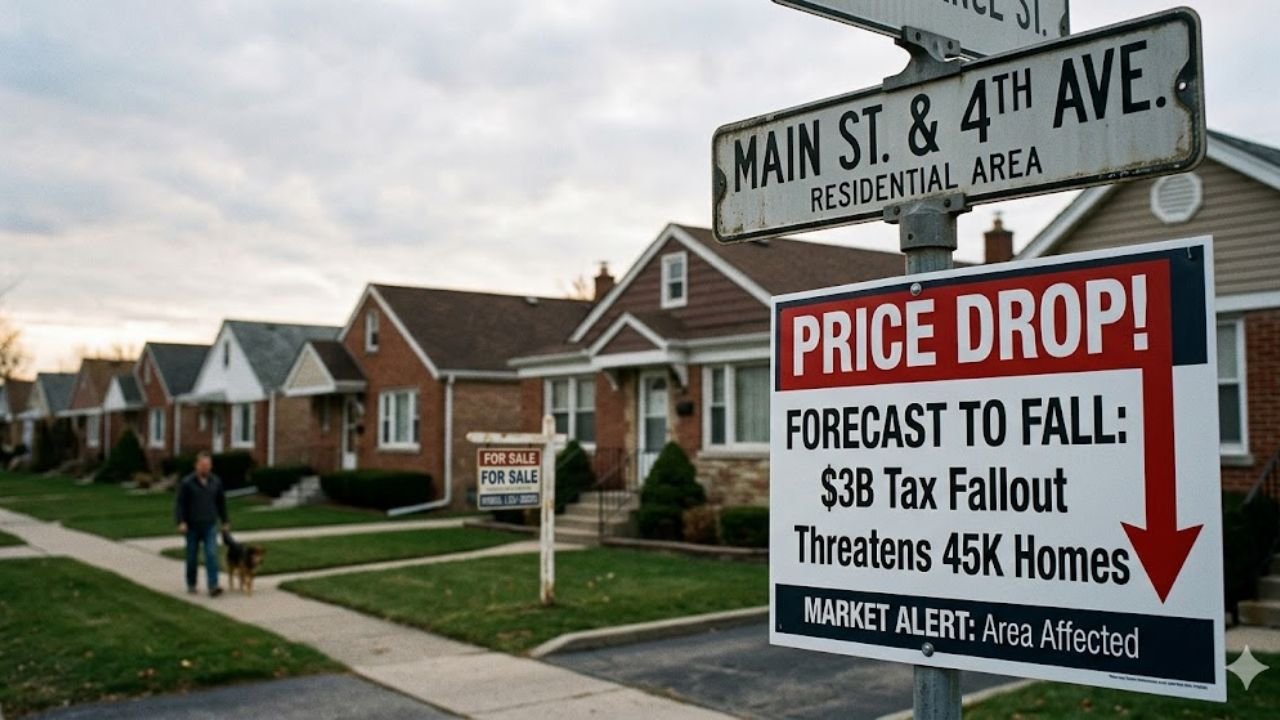
New economic modeling suggests that Australia’s property market could enter a cooling phase in 2026, driven by proposed changes to negative gearing and Capital Gains Tax (CGT). These reforms are expected to significantly impact investor confidence, housing supply, and the broader economy.
Why the Market Is Expected to Slow Down
The proposed tightening of negative gearing and reduction of CGT discounts could make property investment less attractive—especially for “mum and dad” investors who play a major role in supplying rental housing.
When property investment loses its tax advantages, many investors are likely to:
- Pause new investments
- Exit the property market
- Shift capital to other asset classes
This reduction in investor demand could lead to falling property prices and lower auction clearance rates.
Impact on Housing Supply
One of the biggest concerns is the projected decline in new housing construction. Modeling estimates that up to 45,524 fewer homes could be built over the next five years.
This directly affects housing availability, especially in rental markets where demand is already high.
| Policy Scenario | Estimated Drop in New Homes | Projected GDP Impact |
|---|---|---|
| Negative Gearing Restricted | 45,524 homes | -$3.1 Billion |
| CGT Discount Reduced to 25% | 33,353 homes | -$2.2 Billion |
| Combined Tax Reforms | 46,000+ homes | -$3.0+ Billion |
Economic Consequences
The slowdown in construction is expected to have wider economic effects. The construction sector, a key employer in Australia, could lose over 4,200 jobs annually.
This decline in activity contributes to an estimated $3.1 billion reduction in GDP, highlighting the broader economic risks of the proposed reforms.
Rental Market Pressures
While property prices may fall, the rental market is expected to become even more strained. Fewer investors and reduced housing supply mean:
- Higher rental competition
- Limited availability of rental properties
- Increased pressure on tenants
This creates a paradox where buying becomes slightly more affordable, but renting becomes more difficult.
Victoria as a Case Study
State-level policies, particularly in Victoria, are already showing the impact of increased property costs. The expansion of the Vacant Residential Land Tax (VRLT) and higher levies are raising holding costs for property owners.
As expenses increase, many landlords may choose to sell, adding further pressure to the market.
A Divided Property Market
Australia’s housing market is becoming increasingly fragmented:
- Sydney & Melbourne: Prices softening, increased property listings
- Regional Areas: Ongoing housing shortages and rising demand
This uneven performance makes it essential for buyers and investors to analyze local markets rather than relying on national trends.
Challenges to Government Housing Targets
The government’s goal of building 1.2 million homes by 2029 is now under pressure. Reduced investor activity and slower construction rates make this target increasingly difficult to achieve.
Shift in Investment Strategy
With tax advantages declining, investors are shifting focus from speculative gains to positive cash flow and asset quality.
“A-grade” properties—well-located, high-demand assets—are expected to outperform in this environment, as investors prioritize stability over rapid growth.
What This Means for Buyers and Investors
For first-time buyers, falling prices may create opportunities. However, tighter rental markets and economic uncertainty could offset these benefits.
For investors, the focus is shifting toward:
- Strong rental yields
- Long-term asset quality
- Risk management over tax benefits
FAQs
Q1 Why are property prices expected to fall in 2026?
Reduced tax benefits for investors are likely to decrease demand, leading to lower property prices.
Q2 What does the “45,000 homes” estimate mean?
It refers to the number of new homes that may not be built over five years due to reduced investor and developer activity.
Q3 How will these changes affect current homeowners?
Existing homeowners may see short-term declines in property values, but could benefit from improved upgrade opportunities in a cooler market.