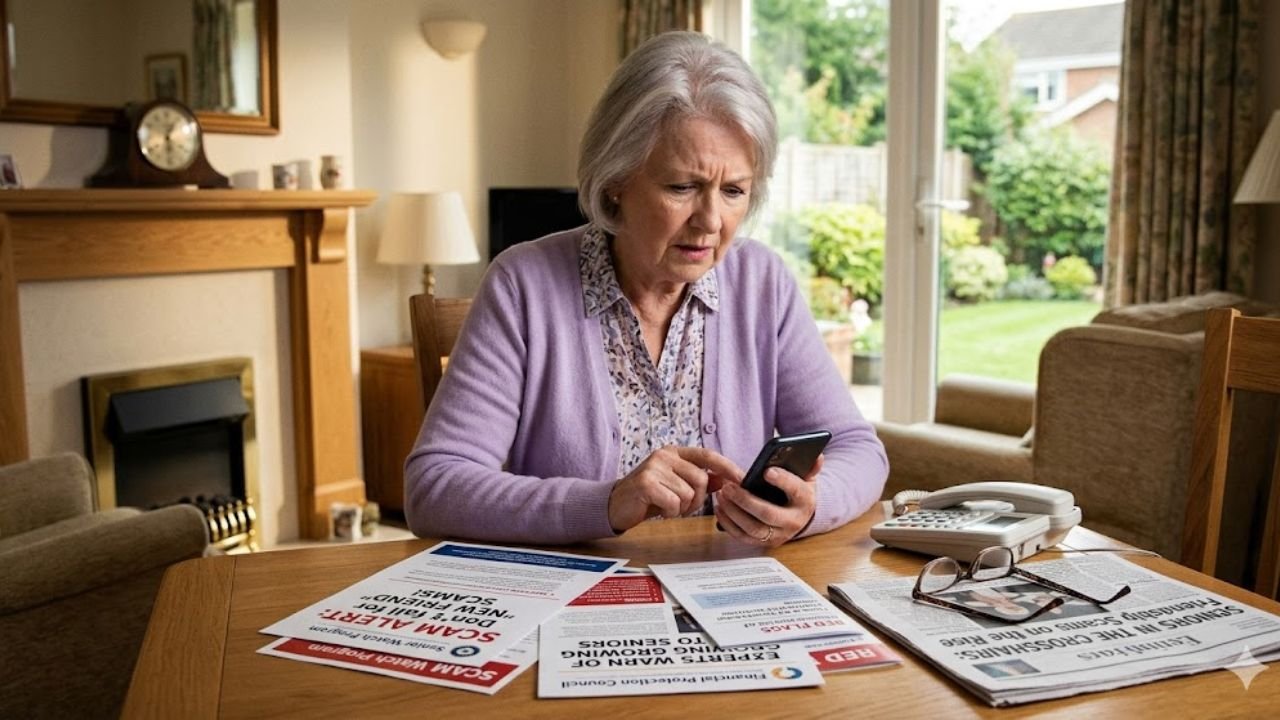
Scams that target the human need for social connection—without involving romance—have begun to rise significantly in 2026. These “friendship scams” represent the latest evolution in cybercrime. Unlike traditional romance scams, which have existed for years, these schemes focus on emotional companionship and trust-building rather than love or attraction. These scams are particularly effective against older adults. Fraudsters spend months, sometimes years, building relationships with their targets. They often infiltrate online communities such as gardening clubs, religious groups, or history forums. From there, they pose as fellow hobbyists, mentors, spiritual figures, or even younger individuals seeking guidance.
The 2026 Scam Evolution
Unlike traditional scams that rely on fear or urgency, friendship scams are built on empathy and emotional bonding. Scammers create fake social media profiles designed to mirror the interests and personalities of their targets. By doing so, they blend seamlessly into the victim’s digital environment. While similar tactics have existed in the past, they were often directed at younger users. In 2026, however, the focus has shifted toward seniors, who may be more socially isolated and trusting.
How AI is Making Scams More Dangerous
Cybercriminals are now using advanced artificial intelligence to enhance their deception. These tools allow scammers to analyze public profiles, mimic communication styles, and even generate highly realistic conversations in real time. In many cases, scammers build rapport slowly before introducing a “soft crisis.” Instead of urgent emergencies, they present ongoing problems—such as a sick family member or financial hardship—that require repeated small payments. Over time, these small amounts can add up to devastating financial losses, sometimes draining entire retirement savings. Additionally, voice-cloning technology and AI-generated images allow scammers to create convincing identities. Victims may receive voice notes that sound genuine or see photos that appear authentic. However, these scammers often avoid live video calls, claiming technical issues or poor connectivity.
Why Seniors Are Especially Vulnerable
The older population faces a unique combination of risk factors. Social isolation, politeness, and a strong desire to help others can make seniors more susceptible to manipulation. The ongoing “loneliness epidemic” has further increased vulnerability, especially for those living alone. For many victims, daily communication with a scammer becomes a meaningful part of their routine. This emotional attachment can cloud judgment, making it harder to recognize warning signs when financial requests begin. Additionally, retirees often have access to significant financial resources, such as pension funds or savings, making them attractive targets for organized crime groups operating globally.
Common Characteristics of Friendship Scams
| Scam Characteristic | Common Tactics in 2026 | Estimated Average Loss |
|---|---|---|
| Initial Contact | Direct messages via social media or online groups | N/A |
| The Hook | Shared hobbies, religion, or mentorship roles | N/A |
| Financial Request | Medical expenses, travel needs, or escaping abuse | $3,100 – $4,500 |
| Payment Method | Gift cards, cryptocurrency, or bank transfers | Varies |
| Duration | 6 months to 4 years | Total losses can reach tens of thousands |
Red Flags to Watch For
Cybersecurity experts highlight several warning signs. A major red flag is the refusal to meet in person or participate in a clear video call. Scammers often provide excuses such as broken cameras or poor internet connections. Another common tactic is pushing the conversation to encrypted messaging platforms like WhatsApp or Telegram. This helps scammers avoid detection and isolates the victim from potential warnings on public platforms.
How to Protect Yourself and Loved Ones
Prevention requires moving from passive awareness to active verification. One of the most effective strategies is the “Power of the Pause.” Take time to evaluate any online relationship, especially when money is involved. Families should maintain open communication and regularly discuss online interactions. Establishing “safe words” or check-ins can help verify suspicious situations. It’s important to remember that legitimate friends or organizations will not ask for money through gift cards, cryptocurrency, or wire transfers. Adjusting social media privacy settings to “Friends Only” can also reduce exposure to potential scammers. If you suspect a scam, immediately stop communication, report the incident to authorities, and inform your bank. Quick action can sometimes help prevent further losses.
FAQs
Q1 How are romance scams different from friendship scams?
Romance scams focus on building romantic relationships to exploit victims emotionally and financially. Friendship scams, on the other hand, rely on companionship, mentorship, or emotional support without romantic involvement.
Q2 What should I do if I’ve already lost money?
Report the incident immediately to local law enforcement and the platform where the scam occurred. Contact your bank to check if the transaction can be reversed, and block the scammer to prevent further communication.
Q3 Why do scammers prefer gift cards?
Gift cards are difficult to trace. Once the code is redeemed, the funds are quickly transferred and cannot be recovered, making them a preferred payment method for scammers worldwide.